Nutrition
A simple guide to building balanced meals
A practical way to put a meal together from foods you already cook, without turning the plate into a scoring system.
Health Insider Plus2 min read
Balanced is a crowded word. On a package it is marketing. In a clinic it can mean something specific to one person. Here it means a meal with more than one job: something that satisfies, some plants, and a carbohydrate you recognize as food rather than as a number.
A plate, not a score
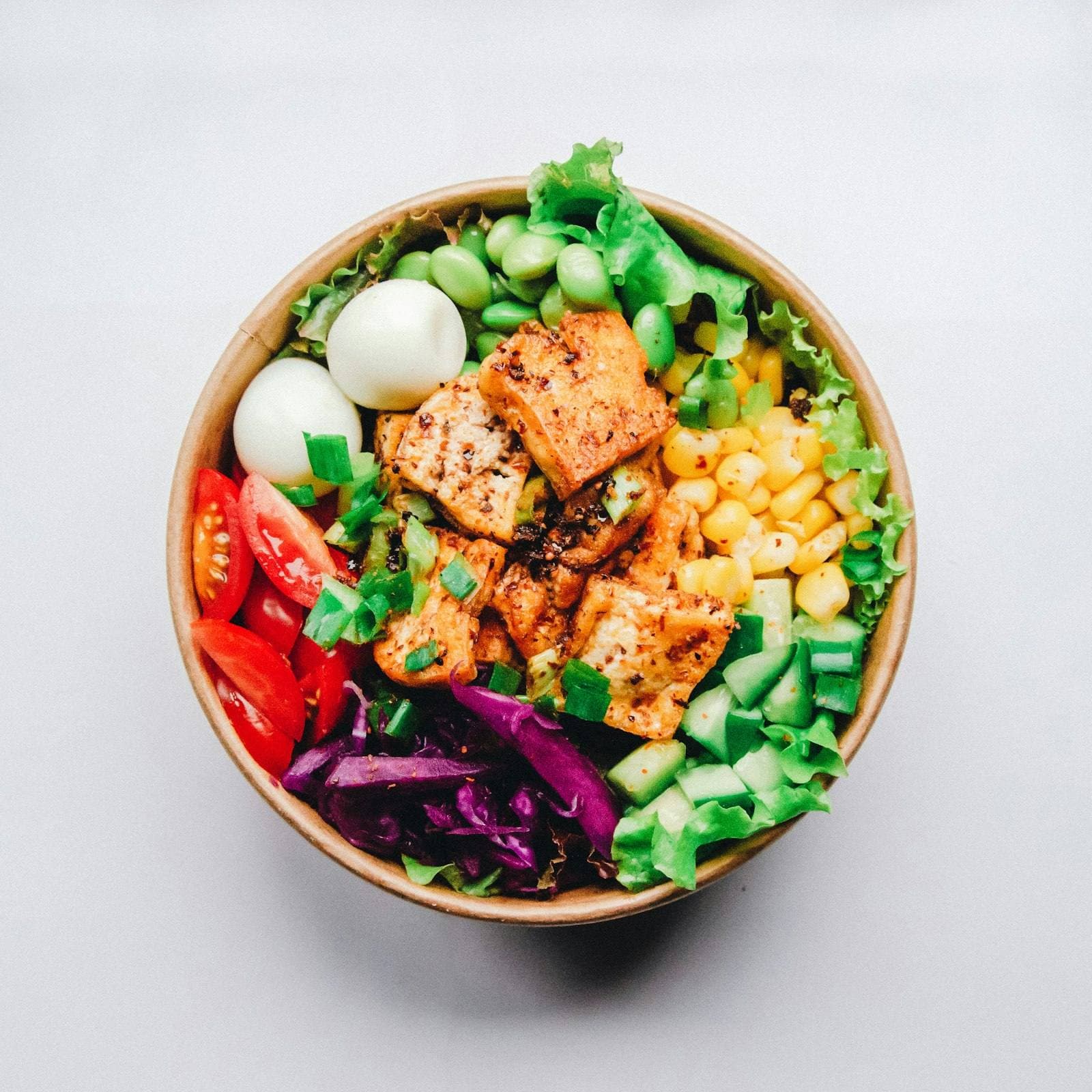
Try three parts. A protein food: eggs, beans, tofu, fish, yogurt, meat, or lentils. Plants: vegetables or fruit, ideally more than one color if you have them. A starch: rice, bread, potatoes, oats, tortillas, or pasta. Fat is often already in the cooking — oil, nuts, cheese, avocado — and does not need its own lecture.
This is a building pattern, not a prescription and not a portion law. Appetite, culture, budget, and medical needs all change what belongs on the plate. Someone following a plan from a clinician should use that plan.
Build it from what you have
Start with the protein you already bought. Add the vegetable that will go soft or wilt first. Add the starch that cooks in the time you have. A bowl of rice, eggs, and whatever greens are in the drawer is the same pattern as a more arranged salad. The pattern is the point. The styling is optional.
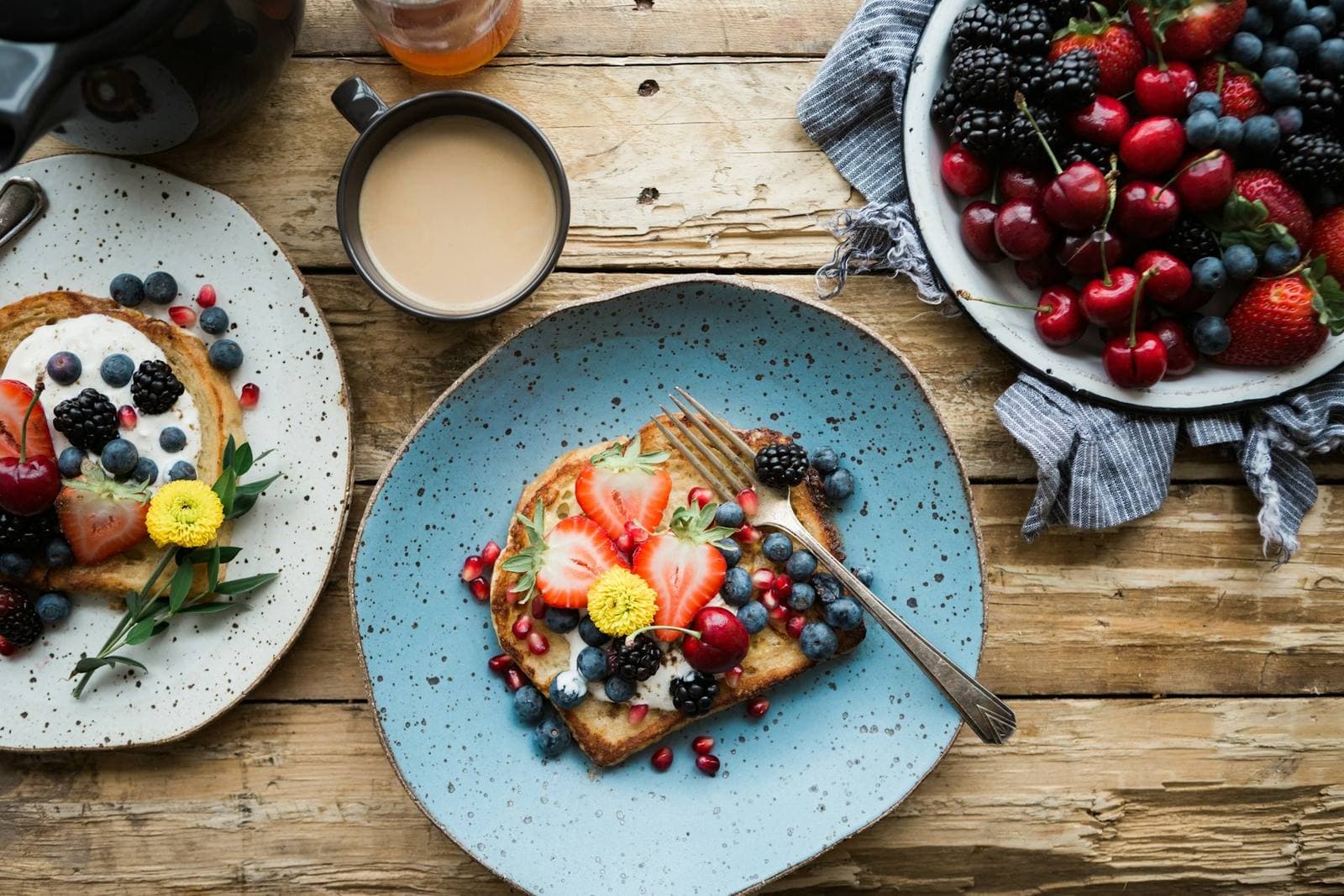
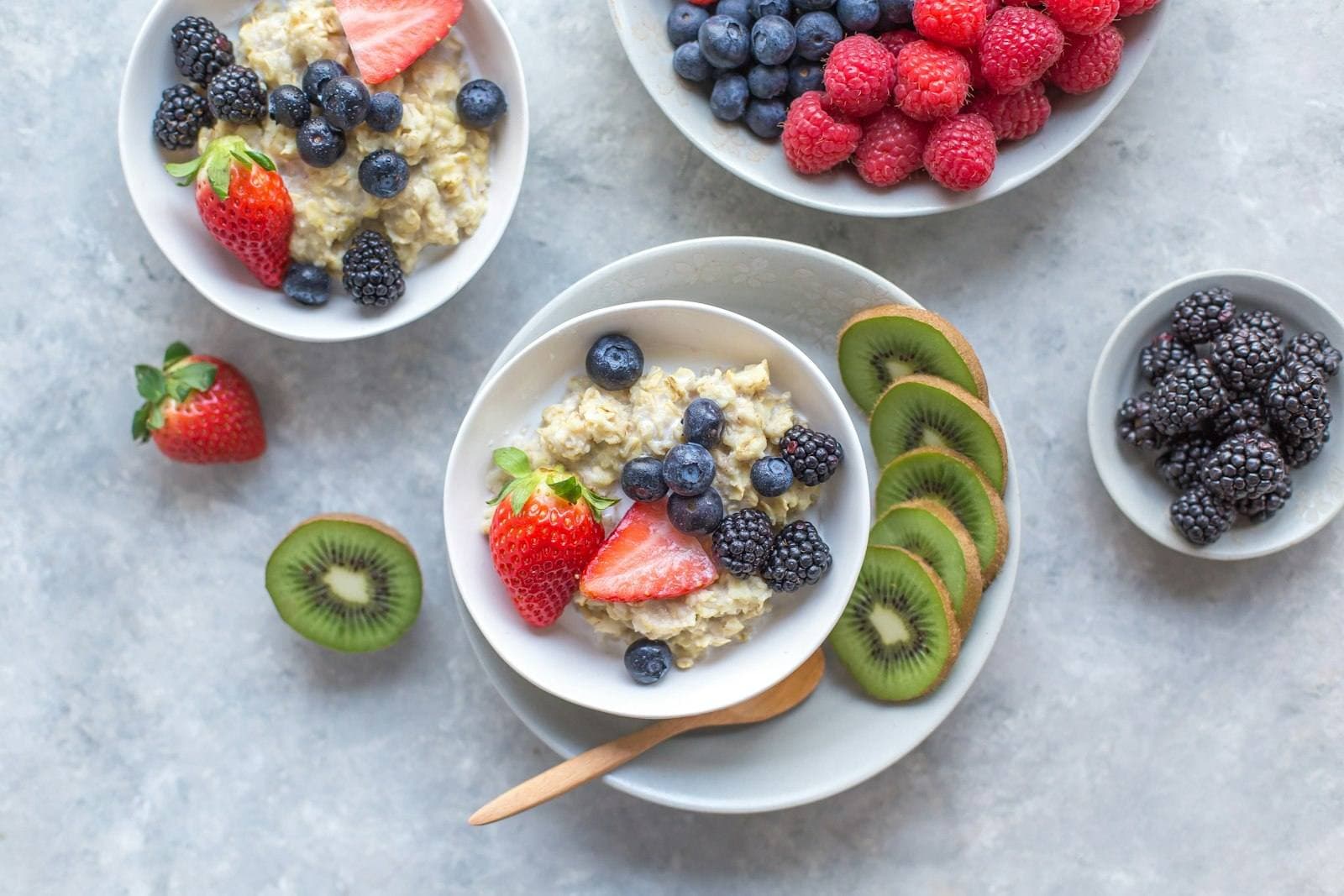
- Breakfast can be oats with yogurt and fruit, or eggs with toast and tomatoes.
- Lunch can be a leftover grain, a tin of beans or fish, and a handful of leaves.
- Dinner can be the same pattern with a vegetable you actually want to eat.
Smaller meals and snacks
A snack does not have to become a project. Pairing two parts of the pattern — yogurt and fruit, bread and cheese, hummus and carrots — is often enough between meals. If you are hungry again an hour later, the snack may have been too small, or the previous meal may have needed more substance. That is information, not a failure.
When the pattern does not fit
Some days are toast. Some traditions do not split a meal into these three piles. Use the pattern when it helps you shop and cook. Ignore it when it fights the meal in front of you. A guide that cannot bend is not a guide for a real kitchen.
Share
Email